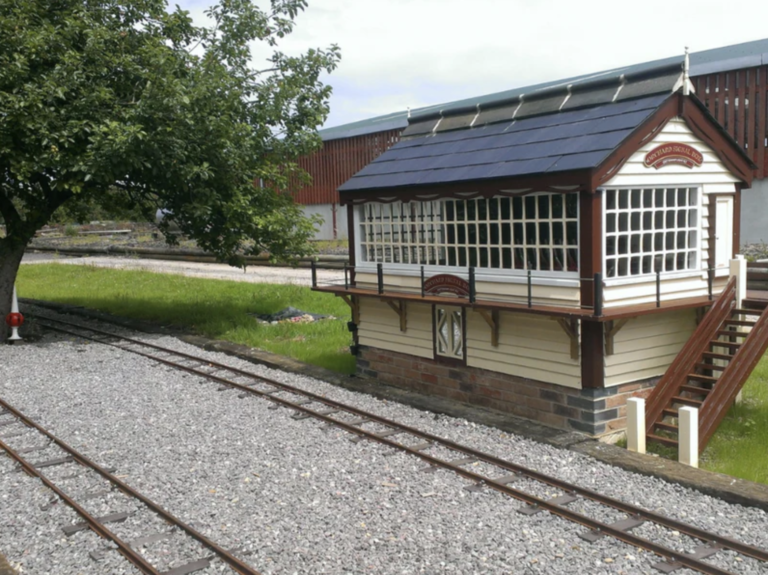
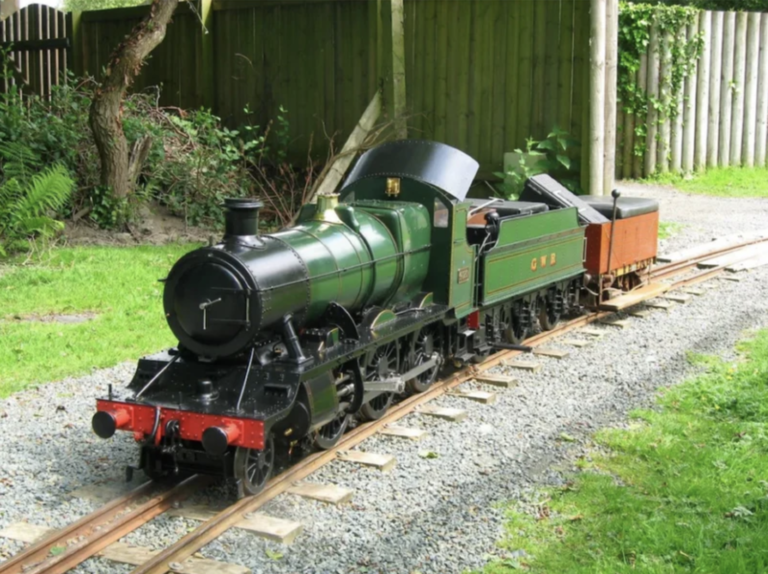
The history of 7.25-inch gauge railways is an integral part of the miniature railway scene, not just in the UK but globally. This gauge has become one of the most popular choices for hobbyists, private enthusiasts, and commercial leisure railways due to its balance between manageable size and the ability to carry passengers. For me personally this is the perfect choice of gauge in terms of stock availability and overall running costs. Here’s a look at the development and significance of 7.25-inch gauge railways
Early 20th Century: The 7.25-inch gauge, like other miniature gauges, finds its roots in the early 20th century when railway modelling began to evolve from simple toy trains to more detailed and accurate scale models that could carry passengers.
Hobbyist Adoption: The 7.25-inch gauge became especially popular among hobbyists and model engineering enthusiasts by the mid-20th century. This gauge offered a good compromise between the smaller scales, which were not capable of hauling passengers, and larger ones that required significantly more space and resources.
Formation of Clubs: The popularity of the 7.25-inch gauge led to the formation of numerous model engineering clubs and societies around the world, particularly in the UK, the United States, and Australia. These organisations provided a platform for enthusiasts to share knowledge, display their locomotives and rolling stock, and collaborate on the construction of track and facilities.
Adoption in Commercial Settings: Beyond private enthusiasts, the 7.25-inch gauge found a niche in commercial leisure settings such as amusement parks, zoos, and tourist attractions. These railways offered rides to the public, combining entertainment with education about railway operation and history.
Innovations in Design and Technology: Over the years, the development of 7.25-inch gauge locomotives and rolling stock has benefited from advances in materials science, engineering techniques, and digital technology. Modern locomotives often feature sophisticated control systems, including remote control and even programmable features.
Maintenance and Sustainability: Operating a 7.25-inch gauge railway, whether as a hobby or commercial venture, involves ongoing maintenance and safety considerations. There’s also an ongoing challenge in passing skills and knowledge to new generations and we hope this web site shares that knowledge for new hobbyists.
Recognising the cultural and historical value of miniature railways, enthusiasts and societies often engage in preservation efforts. This includes restoring historical locomotives and rolling stock, as well as documenting the history of miniature railways.
Educational Value and Community Engagement: 7.25-inch gauge railways have served not just as recreational attractions but also as educational tools, introducing people of all ages to the fundamentals of railway engineering, mechanics, and history. They foster community engagement and provide a practical context for STEM (Science, Technology, Engineering, Mathematics) education.